A flat above a shop, takeaway or pub can be a tough sell - mortgage lenders get nervous, buyers hesitate, and a sale that should be simple drags on for months. But with the right approach it doesn't have to be a headache.
If you've tried selling through an estate agent without success, you might find auction to be a better option, as it offers speed, certainty, and a targeted audience. This article explores the key aspects of selling a flat above commercial premises, discussing potential difficulties, viable solutions, and critical factors to keep in mind.
Challenges of Selling a Flat Above Commercial Premises
Selling a property above commercial premises can present unique challenges that aren't typically encountered with more conventional residential properties. Below are some of the most common obstacles sellers face:
1. Mortgage Restrictions
One of the main hurdles in selling a flat above commercial premises lies in securing mortgage financing. Certain types of commercial premises, such as laundrettes, fast food outlets, and establishments with late-night operating hours (e.g., restaurants and convenience stores), are often viewed unfavourably by mortgage lenders. These businesses may bring noise, odours, or anti-social behaviour, which can be off-putting to both lenders and buyers.
Properties located above vacant commercial premises can also deter lenders due to the uncertainty surrounding the nature of future tenants. For example, an empty shop below could turn into a noisy bar or a business that raises similar concerns for lenders.
However, in prime locations, such as Central London, lenders may be more flexible. The desirability of such areas can offset some of the perceived risks, and high demand for housing may make lenders more willing to finance these purchases.
As a result, sellers frequently need to find cash buyers. While cash buyers eliminate the financing hurdle, they also significantly narrow the pool of potential purchasers, as not all buyers have immediate access to the necessary funds.
2. Insurance Complications
Another challenge is the higher cost and complexity of insuring a property above commercial premises. The presence of businesses below, especially those dealing with food, chemicals, or late-night activity, can increase the risk of fire, accidents, or other incidents. These factors often lead to higher insurance premiums, which can be a deterrent for potential buyers.
Sellers should be proactive in addressing these concerns by providing buyers with full details of existing insurance arrangements. This transparency can help reassure buyers and streamline the sales process.
3. Unreliable Estate Agency Sales
Traditional estate agency sales can sometimes be unreliable for these types of properties. In the UK, the sale is not legally binding until contracts are exchanged, which leaves room for last-minute complications. Common issues include:
- Buyers attempting to renegotiate and lower the price late in the process.
- Buyers withdrawing entirely if solicitors or surveyors uncover potential problems, often during the final stages of conveyancing.
Such uncertainties can prolong the sales process, causing significant frustration for sellers.
4. Longer Timescales
Selling a property above commercial premises through an estate agent often results in longer timescales. The niche nature of these properties reduces the number of prospective buyers, leading to extended marketing periods and delays in completing the sale.
Types of Commercial Properties That May Impact Saleability
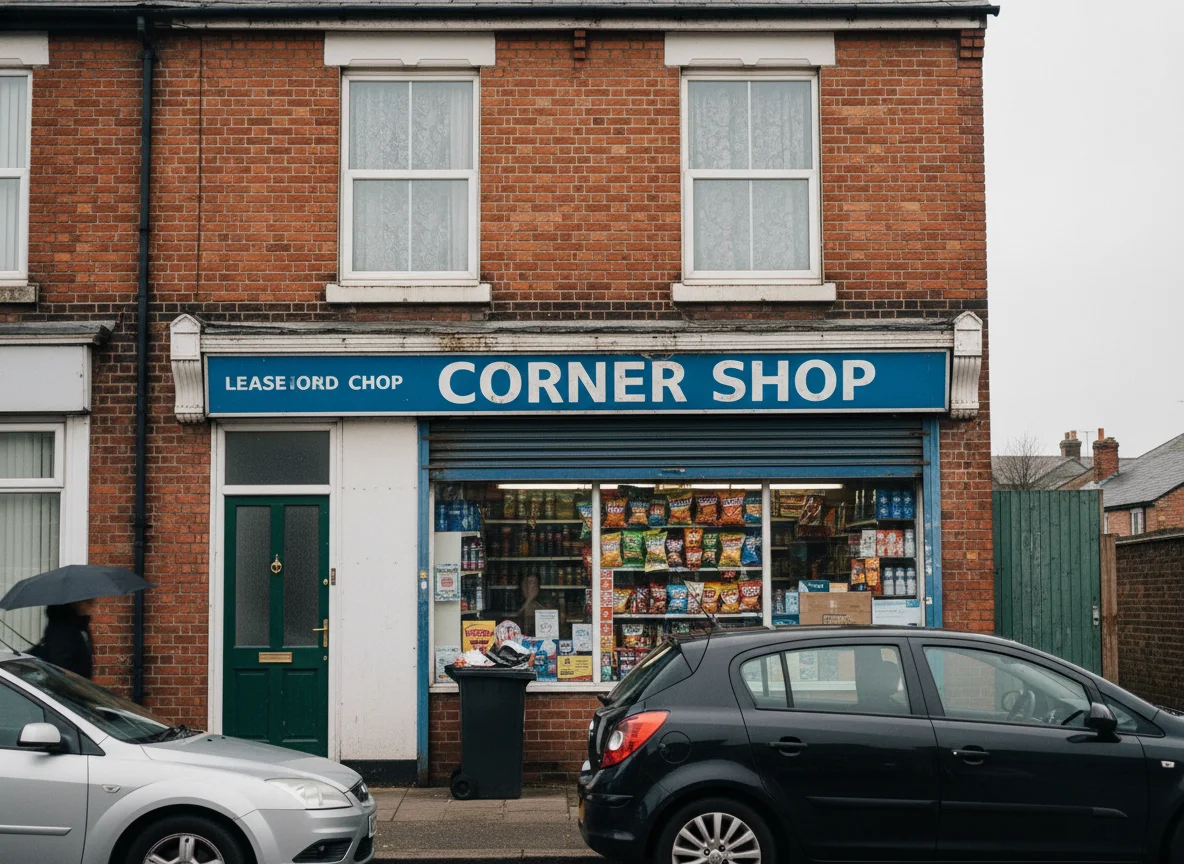
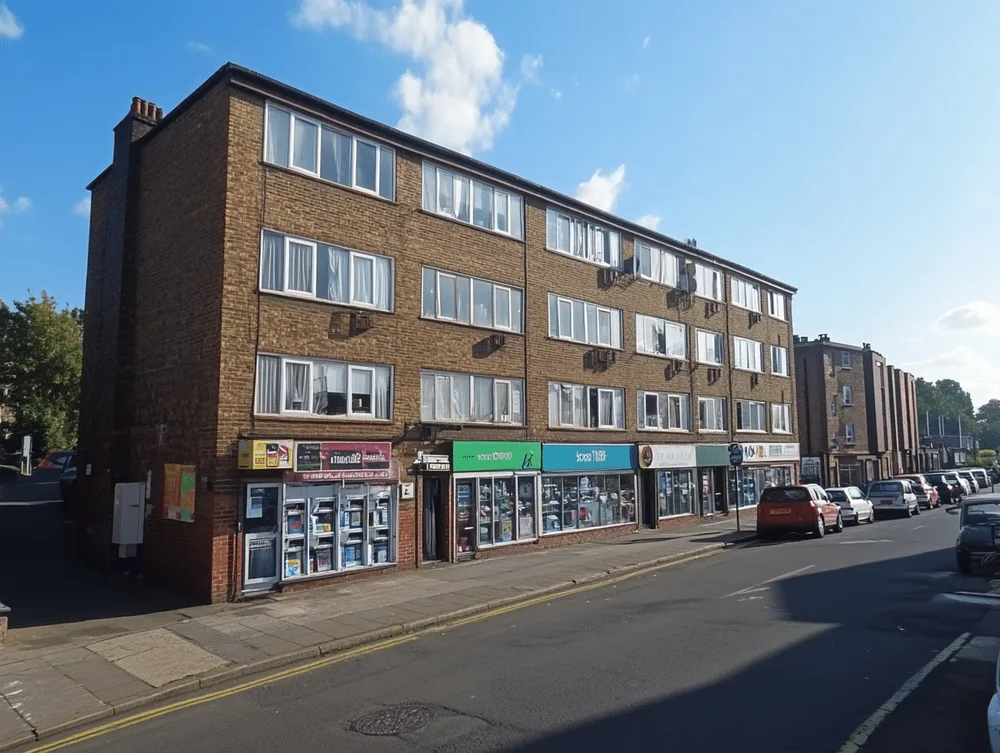
When selling a flat above commercial premises, certain types of commercial properties can pose potential risks that may impact property value, mortgage approval, or buyer interest. These risks are often due to noise, odors, or other disturbances. Here's a list of common commercial property types that may present challenges:
- Pubs and Bars
- Noise from late-night patrons and music can be disruptive.
- Potential for increased foot traffic and disturbances during the evening hours.
- Nightclubs
- Loud music and activity well into the night.
- Issues with antisocial behavior or intoxicated individuals nearby.
- Fast Food Restaurants/Takeaways
- Strong food odors.
- Increased risk of pest issues like rats or cockroaches.
- Noise from customers and delivery drivers, particularly late at night.
- Garages/Auto Repair Shops
- Noise from machinery and tools.
- Smells from oil, fuel, and other chemicals.
- Potential for environmental contamination.
- Factories or Light Industrial Units
- Noise from machinery or production activities.
- Truck deliveries and increased traffic in the area.
- Potential for unsightly views.
- Shops with Heavy Footfall
- Increased pedestrian and vehicular traffic in the area.
- Noise from customers entering and exiting.
- Extended opening hours causing disruption.
- Bars or Cafes with Outdoor Seating
- Noise from patrons sitting outside.
- Smoking or littering near the premises.
- Supermarkets or Convenience Stores
- Frequent deliveries that may cause noise and congestion.
- Increased traffic, both pedestrian and vehicular.
- Dry Cleaners or Laundrettes
- Noise from machinery.
- Potential odors from chemicals used for cleaning.
- Animal Clinics or Pet Grooming Businesses
- Noise from barking dogs or other animals.
- Smells associated with pet care.
- Recycling Centers or Waste Disposal Units
- Noise from equipment or vehicles.
- Odors and environmental concerns.
- Hotels or Short-Term Rental Units
- Increased transient activity.
- Potential for noise or privacy concerns.
Selling by Auction: Pros and Cons
For many sellers, auctioning their flat above commercial premises can be a more effective alternative to traditional estate agency sales. Below, we explore the advantages and disadvantages of this approach:
Pros:
- Speed of Sale: Auctions operate on a fixed timeline, typically ensuring the property is sold within 28 days of the auction date. This can be especially appealing for sellers looking for a quick resolution.
- Certainty: Once the hammer falls at an auction, the sale is legally binding. This eliminates the risk of the buyer withdrawing, providing greater peace of mind for the seller.
- Wider Audience: Auctions attract a diverse audience, including cash buyers, property investors, and developers. These buyers are often more experienced and less deterred by the complexities associated with properties above commercial premises.
- Transparency: Auctions provide a clear and open bidding process, allowing sellers to gauge the level of interest in their property.
Cons:
- Price Volatility: While competitive bidding can drive up the price, there's no guarantee that the property will achieve the desired price. Sellers must be prepared for the possibility of accepting lower offers than expected.
- Reduced Pool of Buyers: Properties with tenants in place, or those located above certain types of businesses, may appeal primarily to investors or the trade market, narrowing the audience further. However, this can still be advantageous if the property aligns with the needs of this specific group.
If you've struggled to sell your property through an estate agent, auction could offer a more structured and reliable solution. The speed and certainty of this method can be particularly beneficial for properties with unique challenges.
Common Seller Circumstances
Properties above commercial premises often come onto the market under specific circumstances. Understanding these scenarios can help sellers position their property more effectively:
Accidental Landlords
Many sellers of these properties have become "accidental landlords." This can happen when a seller is unable to find a buyer and opts to rent the property instead. While renting may provide temporary relief, the challenges of managing tenants or changes in personal circumstances often lead landlords to revisit the option of selling.
Selling a tenanted property can further limit the buyer pool, as many buyers prefer vacant possession. However, investors and cash buyers often see tenanted properties as a ready-made income stream, making auctions an ideal sales channel.
Properties in high-traffic areas, such as those located on main roads, present unique challenges. Noise pollution, limited parking, and high footfall can deter some buyers. However, such locations can also be attractive to investors or professionals seeking urban convenience.
Key Considerations When Selling a Leasehold Flat Above Commercial Premises
1. Lease Length
The length of the lease is a critical consideration. A lease with fewer than 80 years remaining can significantly reduce the property's value and deter buyers. Sellers may need to negotiate a lease extension to make the property more attractive.
2. Freeholder Cooperation
A cooperative freeholder is essential for a smooth sales process. The freeholder will need to complete the Leasehold Property Enquiries Form (LPE1), which provides vital information to the buyer. Delays or lack of cooperation from the freeholder can derail the sale.
3. Building Management
Buyers will want to ensure that the building is well-managed. This includes regular maintenance of communal areas, the roof, and other shared facilities. Sellers should provide evidence of a proactive management approach to reassure buyers.
4. Building Safety Act Compliance
The Building Safety Act 2022 introduced additional requirements for taller buildings. Sellers should check whether the building is a "relevant building" (over 11 metres or five storeys) and whether their lease is a "qualifying lease" under the Act, and have the Leaseholder Deed of Certificate ready, to avoid complications during the sale.
Free auction estimate
Request a free valuation and reserve price estimate for your property today. In some cases we may need a few more details about your property before providing a free and no-obligation auction sale estimate. Get my free estimate.
Tips for Selling a Flat Above Commercial Premises Successfully
- Work with Specialists: Engage estate agents or auction houses experienced in selling properties above commercial premises. Their expertise can help you navigate challenges more effectively.
- Be Transparent: Provide buyers with detailed information about the property's lease, insurance, and management to address concerns upfront.
- Consider an Auction: If traditional sales methods haven't worked, explore the auction route as a faster and more reliable alternative.
Selling a flat above commercial premises in the UK can be challenging, but it's far from impossible. By understanding the unique complexities of these properties and considering alternative sales methods such as auctions, sellers can overcome obstacles and achieve a successful outcome. Whether you're an accidental landlord or simply looking for a more reliable way to sell, there's a solution to suit your needs. With the right approach, selling a property above commercial premises can be a smooth process.
FAQs: Selling a Flat Above Commercial Premises
Flats above commercial premises often face mortgage restrictions due to perceived risks from noise, smells, or other business-related factors. Additionally, lenders may be hesitant if the business below is considered high-risk (e.g., a takeaway or pub). These factors can limit the buyer pool.
Yes, but it depends on the lender and the nature of the business below. Some lenders are more willing to approve mortgages for properties above less disruptive businesses like offices or retail shops, while others may impose stricter criteria or decline outright.
Absolutely. Businesses like restaurants, takeaways, or pubs may deter potential buyers or restrict mortgage availability, as lenders often perceive these as higher risk. However, cash buyers or investors are typically less concerned about this.
Yes. Review your lease carefully to ensure there are no clauses or restrictions that could complicate a sale. Check for issues like shared access, responsibility for maintaining shared areas, and service charges. You may also need to confirm the planning permission status of both the flat and the commercial premises.
Providing full documentation, such as the lease, service charge history, and any planning consents, can make the process smoother. Highlighting soundproofing measures or any recent upgrades can also help address buyer concerns about noise or disturbances.
These properties are often attractive to cash buyers, investors, or landlords looking to expand their portfolios. They may also appeal to first-time buyers looking for a more affordable option compared to traditional flats.
Yes, auctioning is an excellent choice for selling flats above commercial premises. Auctions attract a targeted audience of cash buyers and investors who are less likely to be deterred by lending or lease-related complications. It also ensures a faster and more secure sale.
While flats above commercial premises are generally priced lower than those in purely residential buildings, they can still fetch a fair market price if marketed effectively, especially to the right audience. Auctions can help you achieve competitive bidding, maximising the property's value.
Working with estate agents who specialise in unique properties or selling through an auction house can help connect you with buyers who understand and value this type of property.
Selling through traditional methods can take longer due to a smaller buyer pool and potential financing issues. However, selling at auction can significantly shorten the process, with sales often completing within a few weeks.
Yes. The type of business, its reputation, and the nature of its operations can influence the perceived value of your flat. For instance, a well-maintained office might positively impact value, while a noisy or disruptive business might reduce it.
You'll need the lease agreement, an energy performance certificate (EPC), details of service charges and ground rent, any shared building maintenance agreements, and, if applicable, planning or building regulations approvals.
Yes, transparency is critical. Disclose any known issues with the property, lease, or commercial premises below to avoid complications during the sale process.
Request a free reserve price estimate
Contact us for guidance on selling your home by auction. Request a free pre-auction appraisal - we'll be happy to help.
Other useful resources
- Guide to selling a house by auction - explains the stages involved in an auction sale. With information about auction sale costs, timescales and the process for selling at auction.
- Carry out improvements before selling? - when selling a property in need of improvement, should I spend money on refurbishment works? Or leave the property as is, and let the new owner take care of improvements?
- Poor condition property: Auction vs Estate Agent - the private treaty method of sale isn't suited to some types of property, it's inefficient and potentially open to abuse.
- Selling a short lease flat - the rules of an auction sale mean that buyers must compete to purchase a property. And the highest bidder's offer is legally binding, there is no opportunity for them to reduce their offer.