When you sell at auction, the sale is legally binding on the day. The sale follows a fixed timetable, and buyers compete openly for your property. This guide explains the seven main benefits of selling a house or flat at auction in England and Wales, and what to think about before you decide.

Why sellers choose auction
When you sell through an estate agent, your sale depends on one buyer. That buyer is not committed until contracts are exchanged, which is often months after their offer is accepted. Until then, the buyer can lower their offer, cause delays or pull out altogether. If the buyer pulls out, you may have to start again.
At auction, sold really does mean sold. Contracts are exchanged on auction day.
Selling by auction works differently from an estate agency sale. Buyers check the property and the legal documents before the auction, then bid against each other in the open. The winning bid is a legally binding sale, so you do not have to wait months to find out whether your buyer will go ahead.
Short on time?
If you don't have time to read this guide in full, we can give you a free auction appraisal instead. Request a free estimate and we'll come back to you.
1. A legally binding sale on the day

With an estate agent
When you accept an offer through an estate agent, neither you nor the buyer is legally bound. The sale only becomes binding when contracts are exchanged, which is usually months later. Until then, the buyer can lower their offer or pull out, sometimes without giving a reason. A buyer lowering their offer just before exchange is known as gazundering.
These problems are common. The government published figures in June 2026, alongside its home buying and selling reform roadmap. They show that around one in three estate agency sales fall through. They also show that an average sale takes around 120 days to get from an accepted offer to completion. The roadmap proposes changes to reduce delays and failed sales, but none of these changes are law yet.
At auction
At auction, the sale is legally binding straight away. Contracts are exchanged the moment the hammer falls, or when bidding closes in an online auction. The winning bidder then pays a deposit, usually 10% of the price, and many auctioneers also set a minimum deposit amount. From that point on, neither you nor the buyer can pull out.
If the buyer does not complete the purchase, they lose their deposit, and you can claim any further losses from them. This is why auction sales very rarely fall through.
Unconditional and conditional auctions
In this guide, "auction" means an unconditional auction. This is the type where contracts are exchanged on the day, so the sale is legally binding straight away. An unconditional auction is the type we recommend.
A conditional auction, also called the modern method of auction (MMoA), works differently. The winning bidder pays a reservation fee, which is usually non-refundable, and then has a set period to exchange contracts. Until they do, they can still pull out, so the sale is not binding on the day.
- Unconditional auction: contracts are exchanged on auction day, the buyer pays a deposit (usually 10%) and completion follows about 20 working days later.
- Conditional auction (MMoA): the buyer pays a reservation fee on the day, usually has 28 days to exchange contracts, and completion follows after that.
Our guide to unconditional and conditional auctions explains the difference in more detail.
2. A fixed timetable

An auction sale follows a set timetable, built around the date of the auction. This means you know from the start roughly when your property will sell and when you will receive the money. With an estate agent there is no fixed timetable, and target dates often slip.
A typical auction sale runs like this:
- Getting startedYou instruct the auctioneer and your solicitor. Your solicitor starts preparing the legal pack, the set of documents buyers read before they bid.
- About 4 weeks before the auctionMarketing begins and buyers view your property. The auctioneer's closing date for entries is usually 3 to 4 weeks before auction day.
- Auction dayContracts are exchanged when the hammer falls and the buyer pays their deposit.
- About 4 weeks laterThe sale completes and you receive the money. Under the Royal Institution of Chartered Surveyors (RICS) Common Auction Conditions, completion is usually 20 working days after the auction. A different date can be agreed in advance and written into the special conditions of sale.
The timetable depends on the legal pack being ready in time. Leasehold flats and properties with legal complications can take longer to prepare. Our guide to how long it takes to sell a house at auction covers the timings in more detail.
Free Auction Valuation
How much could your property sell for at auction? Request a free valuation and reserve price estimate. In some cases we may need a few more details about your property before we can give you a free, no-obligation estimate.
Free Valuation3. Buyers compete in the open
At auction, buyers bid openly against each other. Each new bid raises the price, and anyone who is outbid must bid again to stay in the running. Bidding ends when no one is willing to offer more.
When several buyers are interested in a property, estate agents may ask for best and final offers or sealed bids. Buyers submit these privately, without knowing what others have offered. In England and Wales, accepting an offer does not make the sale legally binding. That happens when contracts are exchanged.
At an unconditional auction, the sale becomes legally binding when the hammer falls, provided the winning bid meets or exceeds your reserve price. Your reserve is the minimum price you have agreed to accept.
There is no fixed upper limit on the sale price at auction. Competition can push it well above your reserve, depending on how many buyers bid and how much they are willing to pay. If only one buyer bids, your property may sell at the reserve price.
4. You agree a minimum price in advance
The reserve price is the lowest price you are willing to accept for your property. You agree the reserve with the auctioneer before the auction, and the figure is kept confidential. If bidding does not reach the reserve, your property is not sold. This means your property cannot sell for less than the price you have agreed.
For most sellers, the reserve is the most important figure in the whole process.
How the reserve is set
The auctioneer will suggest a reserve based on recent sales of similar properties nearby and what you tell them about your property, such as its condition. Some auctioneers inspect the property first, but that is not always needed. The final figure needs your agreement.
Setting the reserve too high can put buyers off and leave your property unsold. Our guide to the risks of a high reserve price explains why.
How the reserve relates to the guide price
The guide price is the figure published in the marketing. Under Advertising Standards Authority (ASA) guidance, the reserve can be no more than 10% above a single-figure guide price, so the guide gives buyers a realistic idea of the minimum.
Auction also changes the direction in which the price moves. With an estate agent, negotiations usually start at the asking price, and the price often comes down from there. At auction, the price can only go up, as each new bid must be higher than the last.
5. Short, intensive marketing
Auction marketing is short and intense. The marketing usually starts within a few days of your property being entered into the auction. All of the marketing points towards one date, auction day, so buyers know they need to act quickly.

Your property appears on the main property portals, such as Rightmove and Zoopla, and in the auctioneer's online catalogue. Auctioneers also send email alerts to their lists of registered buyers, many of whom buy regularly. Some auctioneers still post printed catalogues too.
Viewings and the legal pack
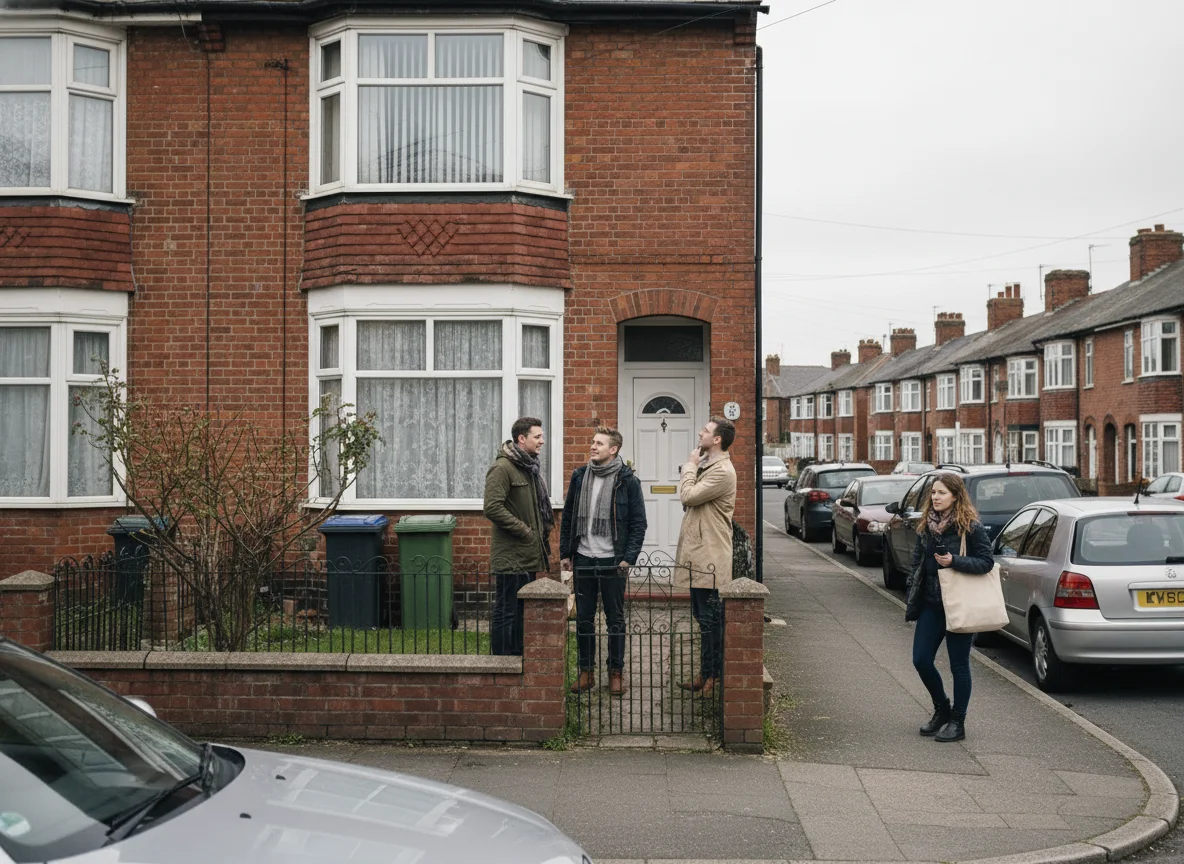
The auctioneer usually arranges and carries out the viewings for you. There are typically 4 or 5 open viewings, each lasting around 30 minutes, spread over the weeks before the auction. Each open viewing is a set time slot when any interested buyer can come and look round.
Buyers can also download the legal pack online. The legal pack contains the title documents, searches and property information forms, so buyers can check everything before they bid. The sooner the pack is available, the more time buyers have to get comfortable with the documents.
Why the guide price matters
Auctioneers set an attractive guide price to draw in as many buyers as possible. More interest leads to more viewings and more registered bidders, and more bidders on the day means stronger competition.

The pricing paradox. A lower guide price can lead to a higher final sale price.
The guide price must still be realistic. Advertising Standards Authority (ASA) guidance says that if the guide price is a single figure, the reserve cannot be more than 10% above that figure. This stops a property being advertised at a price well below what the seller will accept. A guide price that misleads buyers can also break advertising and consumer protection rules. Our guide to guide prices and reserve prices explains more.
Auction day
Weeks of marketing lead up to auction day itself. Whether buyers gather in the room or bid online, the bidding for each property usually takes just a few minutes. A good auctioneer keeps the energy up, which can encourage more bids. At auction, the sale is legally binding as soon as the hammer falls.
6. Most properties sell. Your options stay open if not.
Most properties entered into auction do successfully sell, but a sale is not guaranteed. If bidding does not reach your reserve price, your property will remain unsold when bidding ends. You still have several options, explained below.

Buyers whose bids fell short of your reserve price, or who missed the auction, often make offers in the days that follow. The auctioneer can pass these offers on to you. If you agree a sale, the sale can go through quickly, because the legal pack is already prepared.
If no offer suits you, you can enter a later auction, often with a revised reserve price. Alternatively, you may choose a different way of selling, or decide not to sell at all.
Even when a property does not sell, auction has one clear advantage: you find out straight away. Within minutes of the bidding ending, you know whether your property has sold, and you can plan your next step. By contrast, an estate agency sale can fail slowly: a buyer can pull out months after agreeing to buy, and only then do you find out that you need to start again.
Auctioneers only charge commission when a property sells, so if your property does not sell, there is no commission to pay. Your legal pack is already prepared and can be used again, so you can simply try again. Our guide to what happens if your house doesn't sell at auction explains your options in more detail.
7. An open process
Auction bidding is transparent. Bidding takes place in public, either in the auction room or online, so you can see how the final price was reached. Every buyer has access to the same legal pack and bids on the same terms. After the auction, auctioneers publish their results.
With an estate agent, offers come in privately, one at a time. By law, the agent must pass every offer on to you promptly and in writing. Even so, you cannot see how interested other buyers really are, and there is no way to make them compete openly against each other.
One point that often surprises sellers: the auctioneer may bid on your behalf, up to your reserve price. Auctioneers call this "bidding off the wall". Bidding off the wall is perfectly legal, as long as the conditions of sale allow the auctioneer to do so. The Sale of Land by Auction Act 1867 sets this rule, so buyers know before they bid.
Ready to sell your house by auction?
Request a free valuation and reserve price estimate for your property today. In some cases we may need a few more details about your property before we can give you a free, no-obligation auction sale estimate.
Free ValuationThings to weigh up
Almost any type of property can be sold at auction, but auction does not suit every seller's circumstances. Before you decide, think about:
- Costs. You pay the auctioneer's fees and the cost of the legal pack, but there is no commission to pay if your property does not sell. See our guide to the costs of selling at auction.
- The reserve. If bidding does not reach the reserve, your property stays unsold, and you may need to adjust your expectations for the next attempt.
- The buyers. Auction buyers are often investors and cash buyers, who will factor in any work the property needs.
- The type of auction. A conditional auction (MMoA) does not give you a binding sale on the day. See our guide to unconditional and conditional auctions.
Our guide to the disadvantages of selling at auction covers these points in more depth. This page is general information: your auctioneer and solicitor can advise on your own property.
Optional: ways to speed up your sale
None of these steps are required, but each one can help your sale run smoothly and quickly:
- Instruct your solicitor at the same time as the auctioneer, so the legal pack is ready early.
- Gather the documents you already have, such as any title deeds, certificates for any building work and planning papers.
- If you are selling a leasehold flat, ask your managing agent for the management pack straight away, as the pack can take weeks to arrive.
- Agree a realistic reserve, taking the auctioneer's advice on what buyers are likely to pay.
- Choose an auction date that leaves enough time for marketing and viewings.
- Choose an unconditional auction if certainty on the day matters most to you.
Next steps
Contact us to find out if your property is suitable for auction. Request a free pre-auction appraisal or feel free to call us on 0800 862 0206 - we'll be happy to help.
Selling an Unmodernised House. Auction is a popular method of sale for properties requiring modernisation. Find out why auction is considered the best option for the sale of houses and flats in need of work.