There are five points to know before selling a house at auction. They are which properties suit auction, what it costs, how the reserve price protects you, how long it takes and why the sale is binding on the day. Properties with potential do best at auction, although any home can sell. Commission is usually 2% to 3% plus VAT, and a typical sale takes 6 to 8 weeks from instruction to completion. At an unconditional auction, contracts are exchanged when the hammer falls.

Auction is a fast, open way to sell a house or flat, and it gives you a buyer who cannot back out once the hammer falls. It suits some properties and some sellers better than others, so it helps to understand the main points before you decide. This guide covers the five that matter most, with links to more detail on each. For the whole process, stage by stage, read our guide to selling a house at auction.
The five points at a glance
- Properties with potential sell best. Run-down, unusual or improvable properties are classic auction lots, but any home can sell.
- It costs a little more than an estate agent. Commission of 2% to 3% plus VAT, plus any entry fee and your legal fees.
- The reserve price is your safety net. The property cannot sell for less than the figure you agree with the auctioneer.
- It takes 6 to 8 weeks. About four weeks to auction day, then usually 28 days to complete.
- Sold means sold. At an unconditional auction, neither side can back out once the hammer falls.

1. Which properties sell best at auction
What to do: Ask an auctioneer whether your property has the features auction buyers look for. Then ask whether auction or an estate agent is likely to give you the better result.
Any type of property can be sold at auction, and plenty of well-kept family homes are. But some properties are a natural fit, and these are the ones where auction most often beats an estate agency sale.
What makes a classic auction property
A classic auction property is one where the price depends on what a buyer can do with it. That usually means a property with potential: something to repair, improve, extend or rethink. Auctioneers sometimes call the best of these "auction gold". Typical examples include:
- houses that need modernising, with a dated kitchen and bathroom, old wiring or no central heating
- properties in poor condition, including those with damp, structural problems or fire damage
- flats with a short lease, where the buyer can extend the lease and add value
- properties with development potential, such as a large plot, room to extend or a building that could be converted
- unusual properties that are hard to value, such as land, lock-up garages, chapels or mixed-use buildings
The "worst house on the best street" is the textbook example of auction gold. It is a run-down home in a sought-after road, where a buyer can see exactly what it will be worth once it has been done up.
Tenanted properties and probate sales also suit auction well. The reason is not potential but certainty: the seller gets a clear sale on a fixed date, with a buyer who cannot pull out.
Why these properties do better at auction
Properties like these are often hard to sell through an estate agent. Most buyers need a mortgage, and a lender may refuse to lend on a house without a working kitchen or a flat with a short lease. Even when a buyer is found, their survey can turn up problems. Weeks into the sale, that can lead to a lower offer, or to the buyer pulling out altogether.
At auction the buyers are different. Builders, developers, landlords and investors usually buy with cash or bridging finance (a short-term loan that can be arranged quickly), so a lender's view matters far less. They do their research before auction day, because the sale becomes binding when the hammer falls, which means there is no renegotiating after a survey. And because they bid against each other in the open, a property with real potential can reach the price the keenest buyer will pay. With an unusual property, that price is hard to predict from comparable sales.
Homes in good condition sell at auction too
Modern, well-kept homes sell at auction regularly, especially when the seller values speed and certainty over holding out for the highest possible price. The difference is that the natural buyer for these homes is often an owner-occupier with a mortgage, and some of those buyers will not consider auction. A good auctioneer will tell you honestly whether auction or an estate agent suits your property better. Our guide to the disadvantages of selling at auction looks at this in more detail.
2. What it costs to sell at auction
What to do: Ask each auctioneer for a written breakdown of their commission and charges, and whether any entry fee is payable only if the property sells.
Selling at auction usually costs a little more than selling through a high street estate agent, mainly because auction commission is higher. In return, you get a sale that is binding on the day and usually completes within weeks. There are three main costs:
- Commission: usually 2% to 3% plus VAT of the sale price, paid only if the property sells.
- Entry fee: most auctioneers charge around £300 to £400 plus VAT to include a property in the catalogue. Many will defer it until the property sells, and some do not charge one at all.
- Legal fees: your solicitor prepares the legal pack that buyers inspect before bidding, and handles the sale. The pack typically costs £200 to £500 for a straightforward property.
Some auctioneers pass part of their costs on to the buyer through a buyer's fee, which can reduce what you pay. Our page on auction fees for selling a property sets out typical figures in full.
3. How the reserve price protects you
What to do: Agree a reserve that reflects the current market, based on the auctioneer's advice and recent auction results, rather than the highest figure you have heard.
The reserve price is the lowest price you will accept. You agree it privately with the auctioneer before the property goes on the market, and it is not published. If bidding does not reach the reserve on auction day, the property does not sell.
Auctioneers usually advise a reserve of around 80% to 90% of market value, which leaves room for bidding to push the price up. The guide price, which is the figure advertised to buyers, is set close to the reserve. Under advertising rules, the reserve cannot be more than 10% above the guide price. A realistic reserve and an attractive guide price draw more bidders, and competition between them is what pushes the final price up.
Read more about how the auction reserve price works.
4. How long it takes: 6 to 8 weeks
What to do: Ask your solicitor to start the legal pack on the day you instruct the auctioneer, so it is ready well before auction day.
A typical auction sale of a freehold property takes 6 to 8 weeks from instructing the auctioneer to receiving the money. It happens in two stages:
- Instruction to auction day, about four weeks. The auctioneer markets the property, holds viewings and publishes the legal pack. The deadline for getting into the auction catalogue is usually three to four weeks before auction day, so instruct the auctioneer in good time. Your solicitor can prepare the legal pack for a freehold property alongside the marketing. For a leasehold flat, allow 5 to 8 weeks, because the management pack from the freeholder or managing agent can take several weeks to arrive.
- Auction day to completion, usually 28 days. Contracts are exchanged when the hammer falls, and the buyer pays the balance on completion.

A longer completion period, for example six or eight weeks, can be agreed if you need more time to move. Your solicitor writes it into the special conditions of sale (the terms specific to your property, which buyers see in the legal pack), so raise it when you instruct the auctioneer. Our page on the auction sale process covers each step in more detail.
5. Sold means sold: a binding sale on the day
What to do: Check that the auction is unconditional before you sign, and only enter the property once you are sure you want to sell at the reserve.
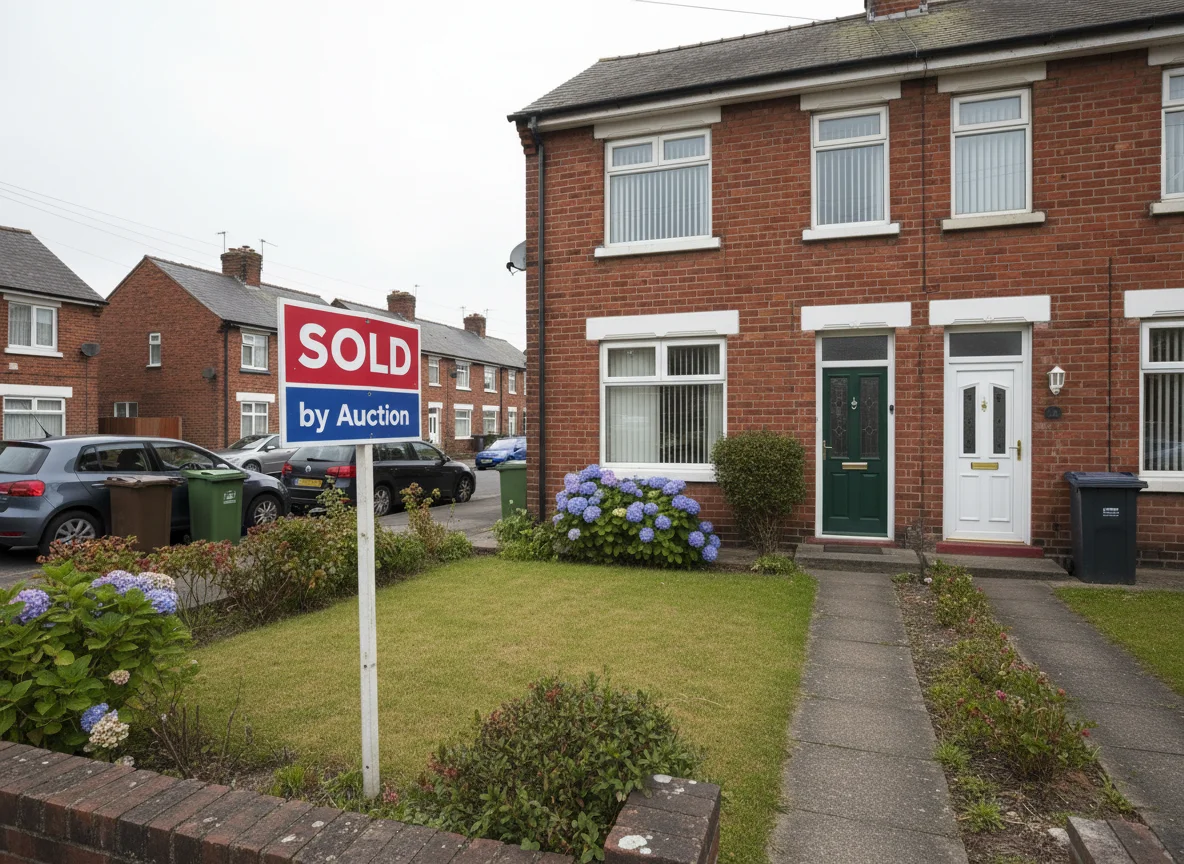
At an unconditional auction, contracts are exchanged the moment the hammer falls. The buyer pays a deposit, usually 10% of the price, and neither the buyer nor the seller can back out. Completion follows on the agreed date.
This is very different from an estate agency sale, where an accepted offer only means "sold subject to contract". Either side can pull out until contracts are exchanged, which often happens months later, and around one in three agreed sales falls through.
Not every auction is binding on the day
A conditional auction, often called the modern method of auction, works differently. The winning bidder pays a non-refundable reservation fee instead of exchanging contracts, then has a set period, usually 56 days, to exchange and complete. The buyer can still walk away, losing only the fee. If certainty is your reason for choosing auction, ask whether the sale is unconditional. Our guide to unconditional and conditional auctions explains the difference.
A binding sale suits a seller who has made up their mind. It is less flexible if you need time to find your next home, so plan your move before auction day.
Summary: the five points
| Point | What it means | What to do |
|---|---|---|
| 1. Which properties suit auction | Properties with potential do best, but any home can sell. | Ask the auctioneer whether auction or an estate agent suits your property better. |
| 2. What it costs | Commission of 2% to 3% plus VAT, plus any entry fee and legal fees. | Get a written breakdown of every charge before you sign. |
| 3. The reserve price | The lowest price you will accept. The property cannot sell below it. | Agree a realistic reserve based on the auctioneer's advice and recent results. |
| 4. How long it takes | About four weeks to auction day, then usually 28 days to complete. | Start the legal pack on the day you instruct the auctioneer. |
| 5. A binding sale | At an unconditional auction, contracts are exchanged on the fall of the hammer. | Check the auction is unconditional and that you are ready to move. |
Frequently asked questions
Yes. Any house, flat or piece of land can be sold at auction, including modern homes in good condition. Auction gives the biggest advantage to properties with potential, such as homes that need modernising, short-lease flats and development sites. These attract cash buyers who compete for them.
Auction gold is a property that auction buyers compete hard for, usually because it has clear potential to add value. The classic example is the worst house on the best street. That is a run-down home in a sought-after road, where a buyer can see what it will be worth once improved.
Commission is usually 2% to 3% plus VAT of the sale price, paid only if the property sells. Most auctioneers also charge an entry fee of around £300 to £400 plus VAT, often deferred until a sale. On top of that you pay your solicitor, with the legal pack typically costing £200 to £500 for a straightforward property.
You do, with advice from the auctioneer. You agree it privately before the property is marketed, and it is not published. Auctioneers usually advise a reserve of around 80% to 90% of market value. Under advertising rules it cannot be more than 10% above the guide price.
A typical sale takes 6 to 8 weeks from instructing the auctioneer to receiving the money. That is about four weeks of marketing and viewings before auction day, then usually 28 days to completion. For a leasehold flat, allow 5 to 8 weeks before auction day, because of the wait for the management pack. A longer completion period can also be agreed before the auction if you need more time to move.
Not at an unconditional auction. Contracts are exchanged when the hammer falls and the buyer pays a deposit, usually 10%, so the sale is legally binding on both sides. At a conditional auction, often called the modern method of auction, the buyer pays a reservation fee instead and can still walk away, losing only the fee.
If bidding does not reach the reserve, the property stays unsold. The auctioneer will usually try to agree a sale with interested bidders straight after the auction, or you can enter the next auction, often with an adjusted reserve. The legal pack is already prepared, so a second attempt is quicker.

Next steps
Want to find out what your property could sell for at auction? Request a free pre-auction appraisal or call our team on 0800 862 0206 - we'll be happy to help.